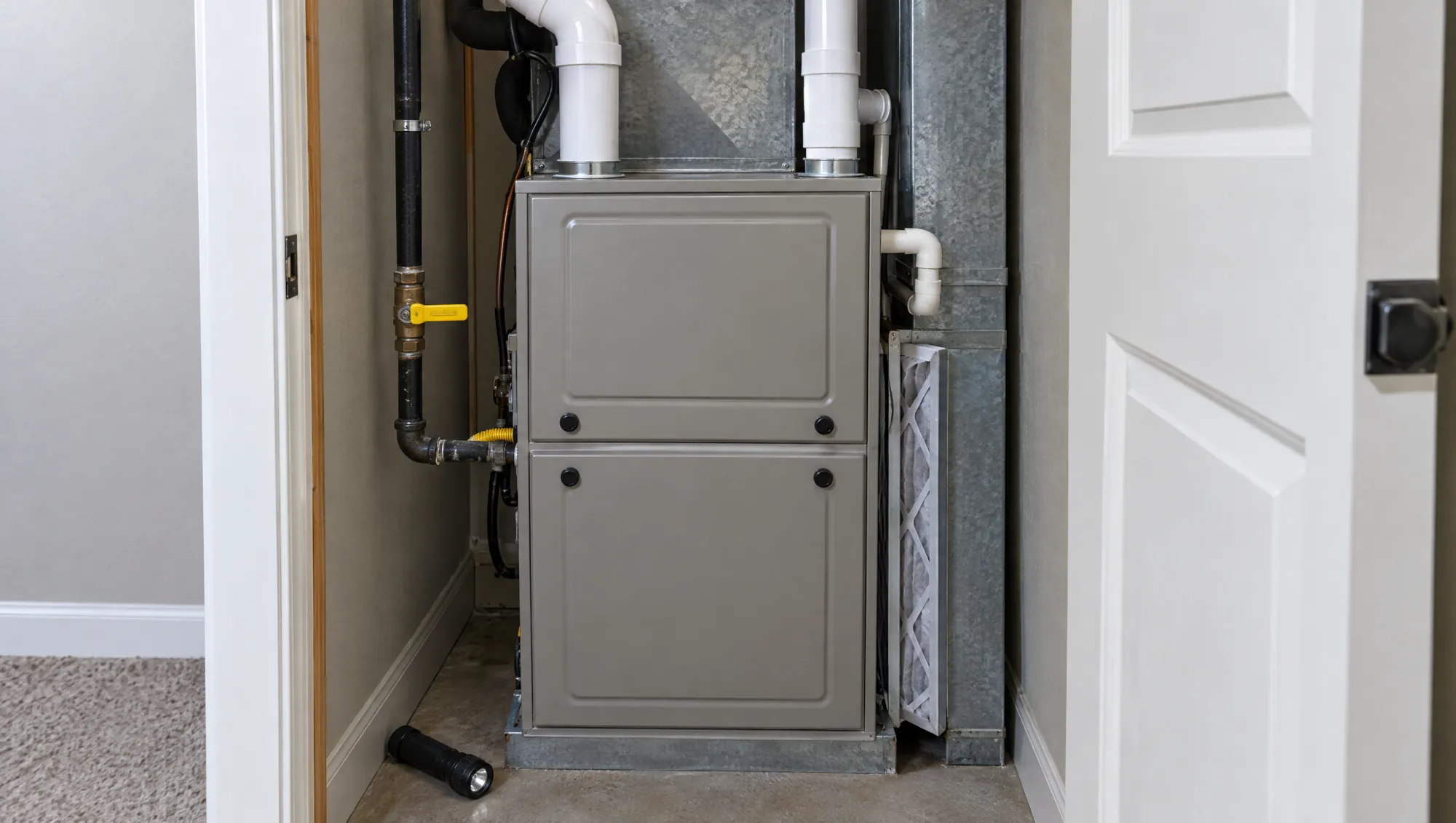
DFW heating decision center
Heating. Identify the system, triage no heat, interpret heat-pump defrost and backup heat, and prepare for freezes.
Open the heating guide
Make the call before the weather makes it for you. No sales pressure, no form required.
Walk through the symptoms, run a few safe checks, and know what a fair diagnosis looks like before the truck shows up.
Start AC repair triageRule out gas, carbon-monoxide, fire, and electrical danger first, then document furnace, heat-pump, or backup-heat behavior.
Start no-heat triageWeigh sizing, install quality, comfort, warranty, and how long you'll stay in the home, so you're deciding on facts, not a hunch.
Plan a replacementPut two written proposals side by side and catch the missing scope, fuzzy terms, and quiet exclusions before you sign.
Compare my quotesThere’s no magic rule. There’s your situation.
You’ve probably heard the “if the repair costs half a new system, replace it” line. It’s a starting point, not an answer. What actually matters: your warranty, whether the thing keeps breaking, comfort problems you live with, how long you plan to stay, and whether either option fixes the real issue.
Try the private repair-or-replace calculator (no contact info needed)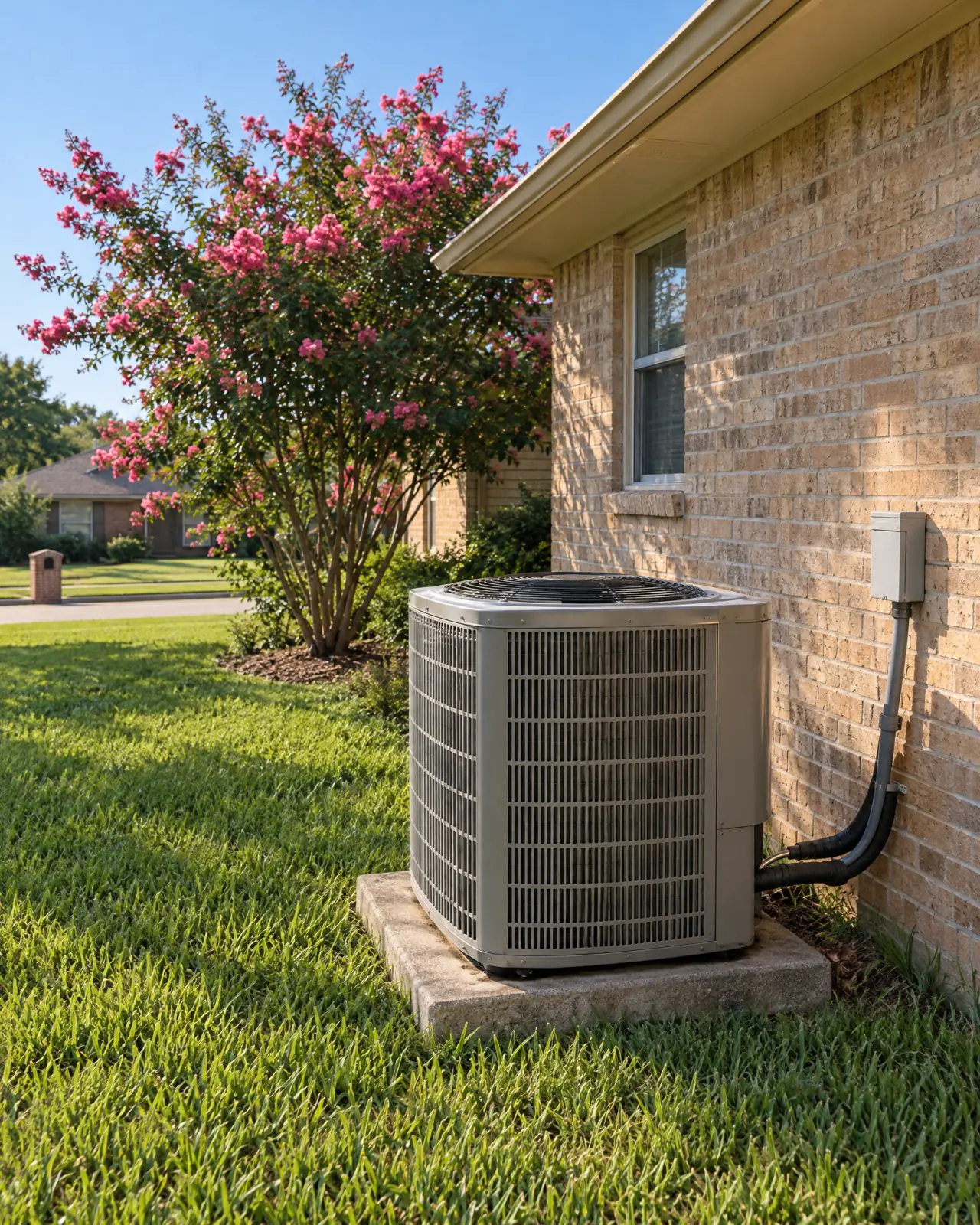
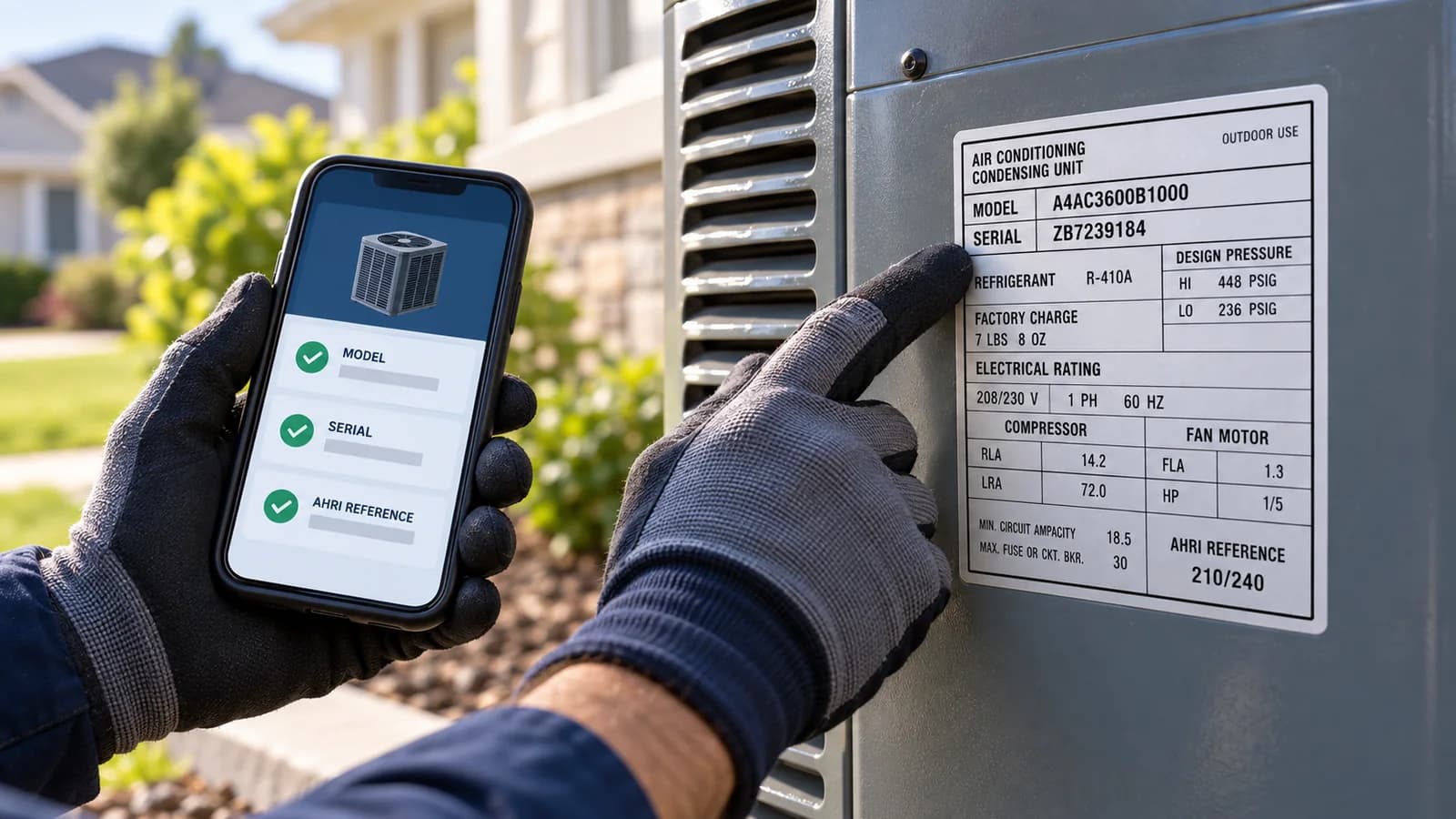
Score two proposals for how complete they are, then print the questions each one left unanswered.
Get every bid describing the same job: equipment, sizing, ducts, electrical, permits, startup, warranties, and financing.
Turn vague promises into model numbers, real measurements, documents, and a name next to each responsibility.
Compare load, output, AFUE, staging, blower, cooling compatibility, ducts, venting, condensate, permits, and startup.
Know the Texas minimum, match the exact AHRI certificate, and understand what efficiency does and doesn’t tell you.
Compare cooling, cold-day heating, backup, ducts, electrical needs, and utility rates for our climate.
Weigh age, quote size, warranty, past failures, comfort, and how long you’ll stay, with no lead form in the way.
Go deeper with brand guides, component diagnosis questions, local verification resources, and printables you can use at home.
Heating. Identify the system, triage no heat, interpret heat-pump defrost and backup heat, and prepare for freezes.
Open the heating guide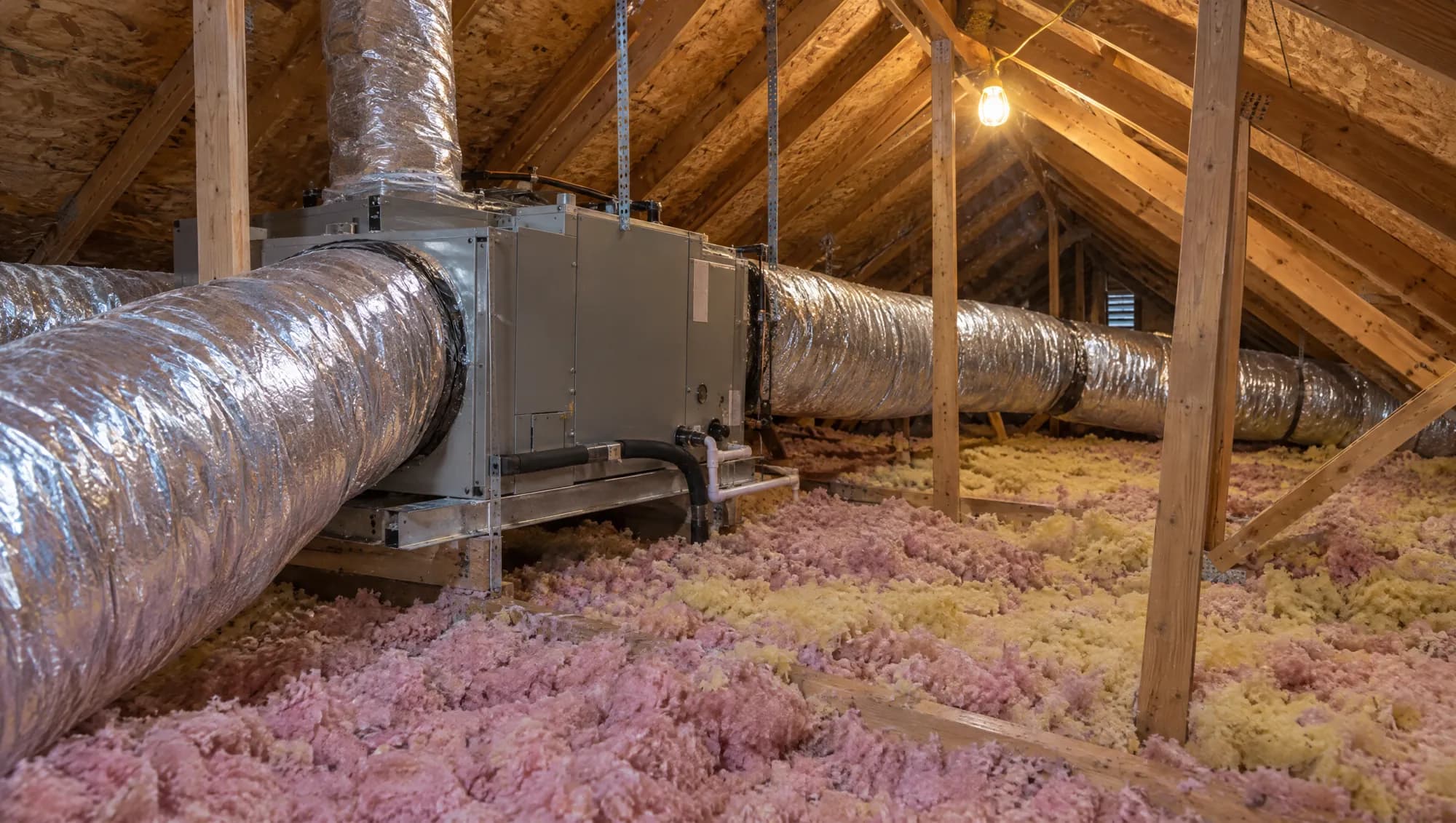
Whole home. Use DOE and EPA guidance to test duct leakage, assess attic insulation, plan air sealing, and choose ventilation or filtration without a one-product shortcut.
Open home performance guidesBrands. Start with Trane, then hold Lennox, Daikin, and Carrier to the same model, controls, warranty, and install standards.
Compare HVAC brandsRepair. Know what should prove a compressor, coil, capacitor, or blower problem before you okay the work.
Browse repair guidesPrintable. Line up model numbers, sizing, ducts, site work, startup, warranties, and financing in one structured worksheet.
Print the checklistPrintable. Know what you can safely check yourself and what belongs to a pro each spring and fall.
Open the calendarVerification. Check TDLR records and your city’s requirements before you sign or work starts.
Verify the processImportant claims link to government, industry, manufacturer, and documented local sources.
Our guides focus on diagnosis, equipment, installation, warranties, and exclusions, not just the lowest number.
Guides, calculators, and printable tools work without an account or contact form.